Why Waistbands Always Roll Down on an Apple Shape — and the Fit Fix That Actually Works
Quick Answer: Waistbands roll on an apple shape because a mid-rise band sits right at the narrowest point of the torso where there’s nothing to grip, and it curls under the fuller area above. A true high-rise band that sits above the natural waist narrowing, in a firm (not soft-knit) fabric, solves this in most cases.
You’ve bought ‘high-rise’ leggings that still roll by lunch, and it’s easy to assume the fix is a size up. It’s usually not — it’s rise placement and band structure.
Why does the waistband specifically roll on an apple shape?
An apple shape typically carries more fullness through the midsection with a less pronounced waist narrowing than an hourglass or pear shape. A band sitting at or just below the narrowest point has no natural ledge to hold onto — every torso bend or sit lets it curl under, especially if the fabric is soft and unstructured.
This is a geometry problem, not a sizing problem: going up a size gives the band more room to roll, not less.
What actually counts as ‘true’ high-rise versus marketing high-rise?
True high-rise sits at or above the belly button, often 9-10+ inches from the crotch seam to the top of the band. A lot of ‘high-rise’ labeling in practice sits closer to mid-rise, at 7-8 inches — enough to market as high-rise, not enough to clear the apple shape’s fullest point.
Check the actual rise measurement in inches on the product page rather than trusting the high-rise label alone.

Does fabric structure matter as much as rise height?
Yes, often more. A firm, structured waistband fabric with less stretch than the body of the legging holds its shape against fuller midsection pressure. A soft, high-stretch band that matches the leg fabric’s give will roll regardless of how high it sits, because it has no structural resistance to curling.
Squeeze-test the waistband fabric between your fingers before buying: if it feels as soft and stretchy as the leg fabric, it’s more likely to roll.
What’s the fastest way to test a waistband before buying?
Sit down fully and lean forward, then stand back up, in the fitting room. A waistband that stays flat through this motion will likely hold through a workout or a full day; one that folds or curls in the fitting room will do it worse under movement and sweat.
This test takes 15 seconds and catches the majority of rolling problems before you get the item home.
FAQ: Apple Shape Waistband Questions, Answered
Does sizing up fix a rolling waistband?
Rarely — it usually gives the band more room to roll rather than solving the underlying rise and fabric structure issue.
What rise measurement should I look for specifically?
Aim for 9-10 inches or more from crotch seam to waistband top, and check the product’s actual listed measurement rather than the ‘high-rise’ label alone.
Are there other fixes besides buying new leggings?
A firm-fabric waist trainer or shaping band worn under existing leggings can sometimes hold a slightly-too-soft waistband in place, though it’s a workaround rather than a permanent fix.
TL;DR:
- Rolling comes from geometry (no waist narrowing to grip) and soft fabric, not sizing
- ‘High-rise’ labels vary — check the actual rise measurement in inches
- A firm, structured band resists rolling far better than a soft, stretchy one
- Test with a sit-and-lean-forward check in the fitting room before buying
The right rise and fabric structure fixes this permanently — no more lunch-time waistband adjustments.
See It in Motion
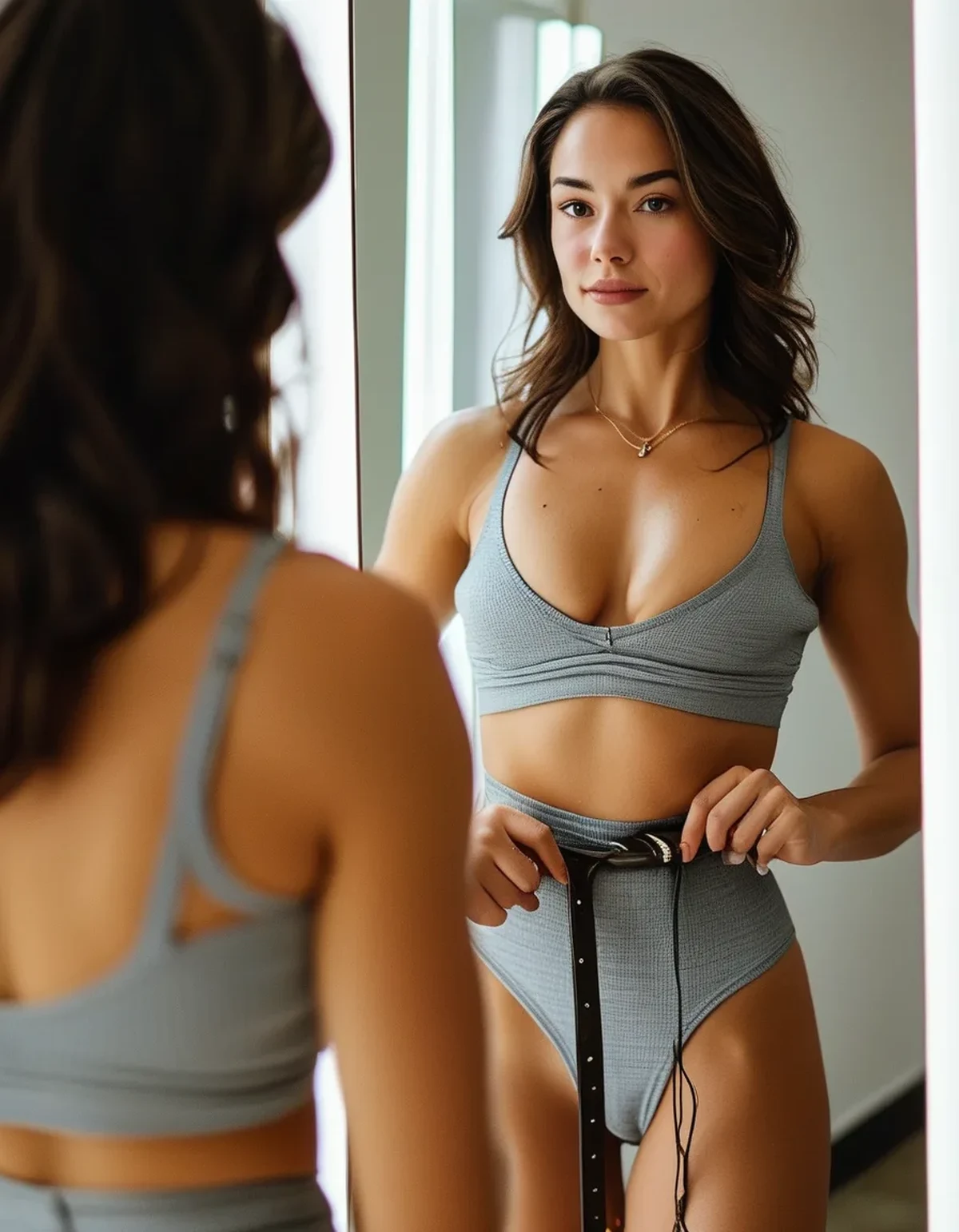
Seen here: High Waist Yoga Leggings with Inner Pocket — shop it on bubblelime.com
Keep Reading
This article is for general informational and styling purposes only. Fit, sizing, and product availability may vary.
